sana › Seeds & Nuts › Chia seeds
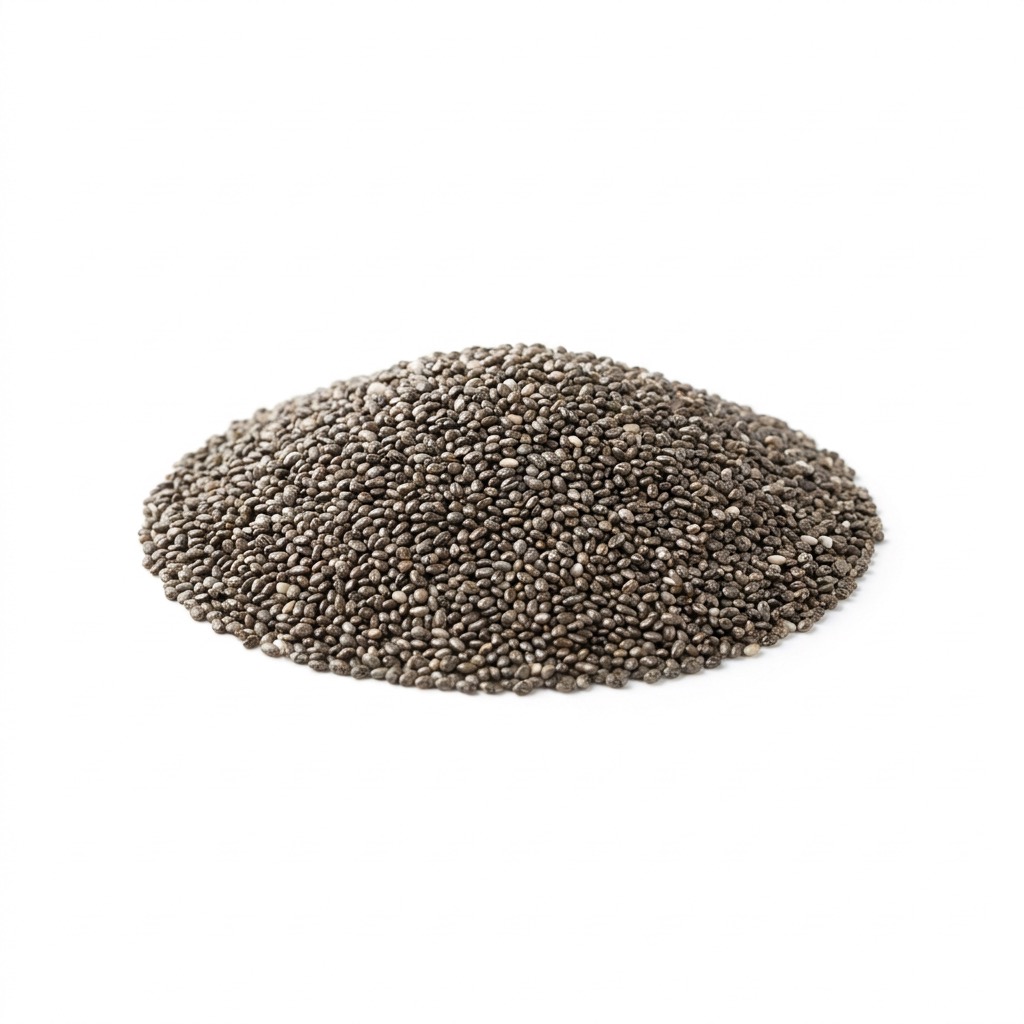
Chia seeds · Salvia hispanica
Photo: (c) Neptalí Ramírez Marcial, some rights reserved (CC BY) · CC BY · via iNaturalist
Seeds & Nuts
Chia seeds
Salvia hispanica
Chia is a sage, related to the herb rather than to flax or sesame. The seeds were a staple of the Aztec diet and the plant was nearly lost after the conquest.
Benefits
Chia brings the upper reading down. The lower one moved too little to be sure of.
What It Is Known For
Waist measurement came down a little and body mass index did not move at all.
Total cholesterol, the harmful kind, the good kind and blood fats all came back unmoved.
Fasting sugar, the long-term measure and insulin all came back unmoved.
It carries the plant form, which is a fact about the seed rather than a finding about a person.
Key Active Compounds
The part that swells and gels in water.
The plant omega-3 the seed carries.
How to Take It / Use It
Stir a heaped spoonful into water, yogurt or porridge each day, and let it swell before eating it.
Cautions
Chia swells to many times its size, so eat it already soaked rather than dry with a sip of water.
It lowers blood pressure, so it adds to the effect of medicine already doing that.
Where It Comes From
Salvia hispanica came from central Mexico and Guatemala, where it was grown as a field crop before the Spanish arrival and then almost disappeared from cultivation.
How We Choose It
We check every product so you don't have to. A chia seeds only makes our list if:
- Whole seeds, one ingredient. Black or white makes no difference.
- Not chia oil. The oil leaves the fiber behind.
- Not pre-mixed puddings or drinks. They are mostly the other things.
If no product meets these standards, we don't list one. No exceptions for affiliates.
See our picks
Sources1
- Effects of chia seed supplementation on cardiometabolic health in overweight subjects: systematic review and meta-analysis of RCTs. Nutrition & Metabolism, 2024. Meta-analysis