sana › Herbs & Plants › Clove
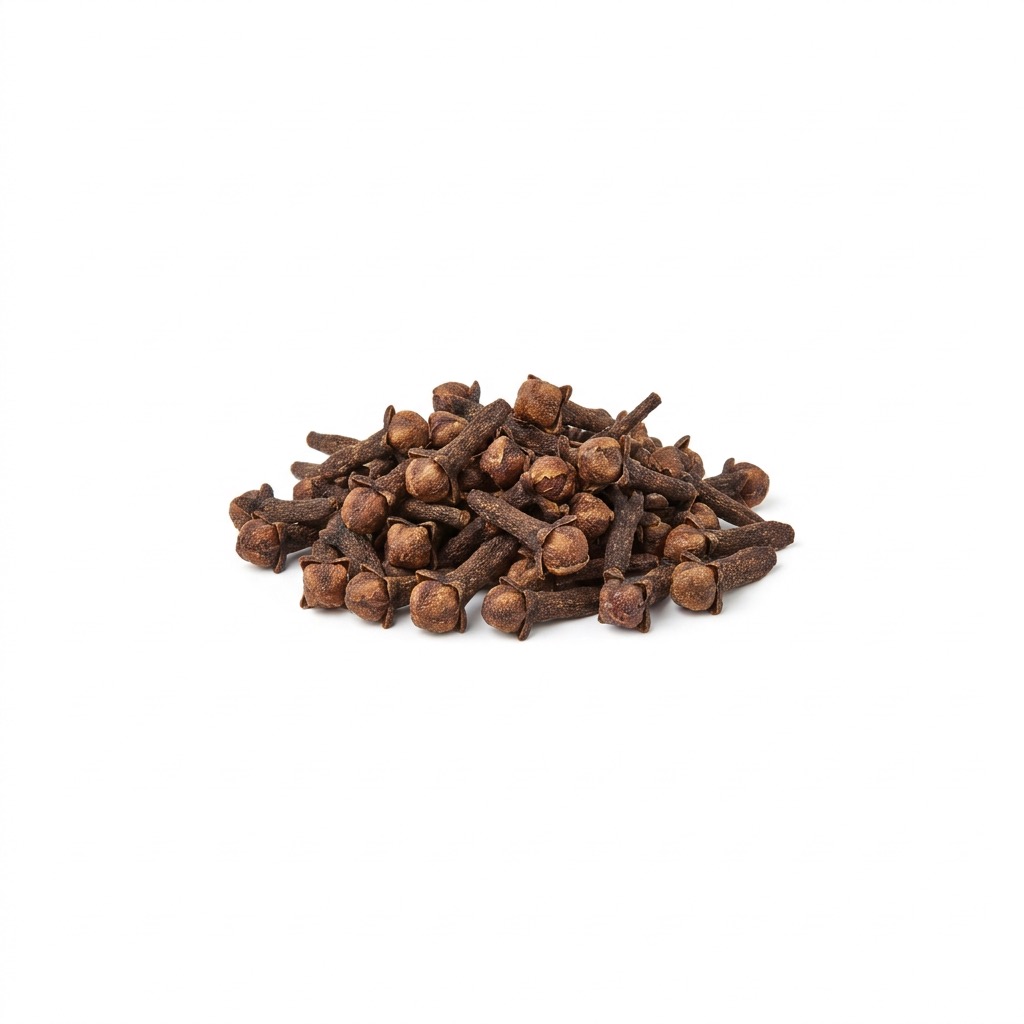
Clove · Syzygium aromaticum
Photo: (c) Eric Knight, some rights reserved (CC BY) · CC BY · via iNaturalist
Herbs & Plants
Clove
Syzygium aromaticum
In fifteenth-century London a pound of cloves cost a skilled craftsman four and a half days' wages.
Benefits
Cloves naturally numb the area — people have used them for toothaches for over 2,000 years.
Chewing a clove or using it in mouthwash helps fight the germs that cause bad breath and plaque.
Clove oil kills many common bacteria and fungi, which is why it shows up in natural mouthwashes and antiseptics.
Clove oil is a natural bug repellent.
What It Is Known For
Clove oil kills bacteria and fungi in a dish, and nothing shows it doing that once it is swallowed — an infection inside you needs treating properly.
It numbs the ache, which is not the same as mending the tooth, and the tooth still has to be seen to.
Tradition names it and nothing has tested it in a person, which is why it sits under Traditionally Used and not with the benefits.
Nothing tests this, and the clove water it rests on turns up in no record older than the internet.
Key Active Compounds
Seventy to ninety percent of clove oil.
Calms swelling in the gum.
Traditionally Used
One to three grams of dried clove simmered in a cup of boiling water for fifteen to twenty minutes, drunk hot twice a day.
Three to five drops of clove oil in a teaspoon of carrier oil, rubbed into the sore spot.
Three or four drops of clove oil in a spoonful of plain oil, rubbed into the patch. Eugenol damps the signals that make a patch of skin itch, so scratching stops being the first thing you reach for.
How to Take It / Use It
Mix 3 drops of clove oil into a teaspoon of olive or coconut oil. Soak a cotton bud and press it into the cavity itself, not just the gum beside it. Leave it a minute, then rinse. Do not swallow it.
Hold a whole clove against the spot and bite gently until it softens, then spit it out.
Moisturize the patch first, then rub in 3 or 4 drops of clove oil mixed into a spoonful of plain oil.
Stir clove oil into an unscented lotion, about 1 part oil to 9 parts lotion, and rub it over bare skin. Or shake a few drops into a spray bottle of water and mist it on. Put it on again after an hour and a half.
Why It Works
Eugenol quiets the nerve endings in the tooth and gum, so the ache never reaches you.
Eugenol reads as a warning to a mosquito, so skin carrying it stops being worth landing on.
Cautions
Never swallow clove oil and keep the bottle away from children.
Clove oil is toxic to cats and dogs, which cannot break eugenol down.
Children who swallowed 10 to 30 ml of clove oil went into coma and liver failure.
Where It Comes From
The clove is the dried flower bud of an evergreen tree that grew on five small volcanic islands in eastern Indonesia and nowhere else on earth. Cuttings were smuggled out in the eighteenth century and took root in Zanzibar and Madagascar. Indonesia still grows the most.
How We Choose It
We check every product so you don't have to. A clove oil only makes our list if:
- It says clove bud oil, not leaf or stem oil. The bud has the most eugenol — the part that does the numbing.
- The label lists one ingredient: Syzygium aromaticum. Nothing blended in.
- It comes in dark glass with a dropper. The oil stays fresh and comes out a drop at a time.
If no product meets these standards, we don't list one. No exceptions for affiliates.
See our picks
Sources8
- Britannica. Clove. Encyclopedia
- Medical News Today. Clove oil for toothache. Article
- Healthline. Health benefits of cloves. Review
- World History Encyclopedia. The early history of clove, nutmeg and mace. Article
- Spices and their costs in medieval Europe. University of Toronto. Article
- Comparative repellency of essential oils against mosquito bites. Study
- Mouthwash containing cloves in treating gingivitis in adolescents. Trial
- Topical clove oil for chronic itching. Journal of Cosmetic Dermatology. Trial