sana › Fruits & Vegetables › Cranberry
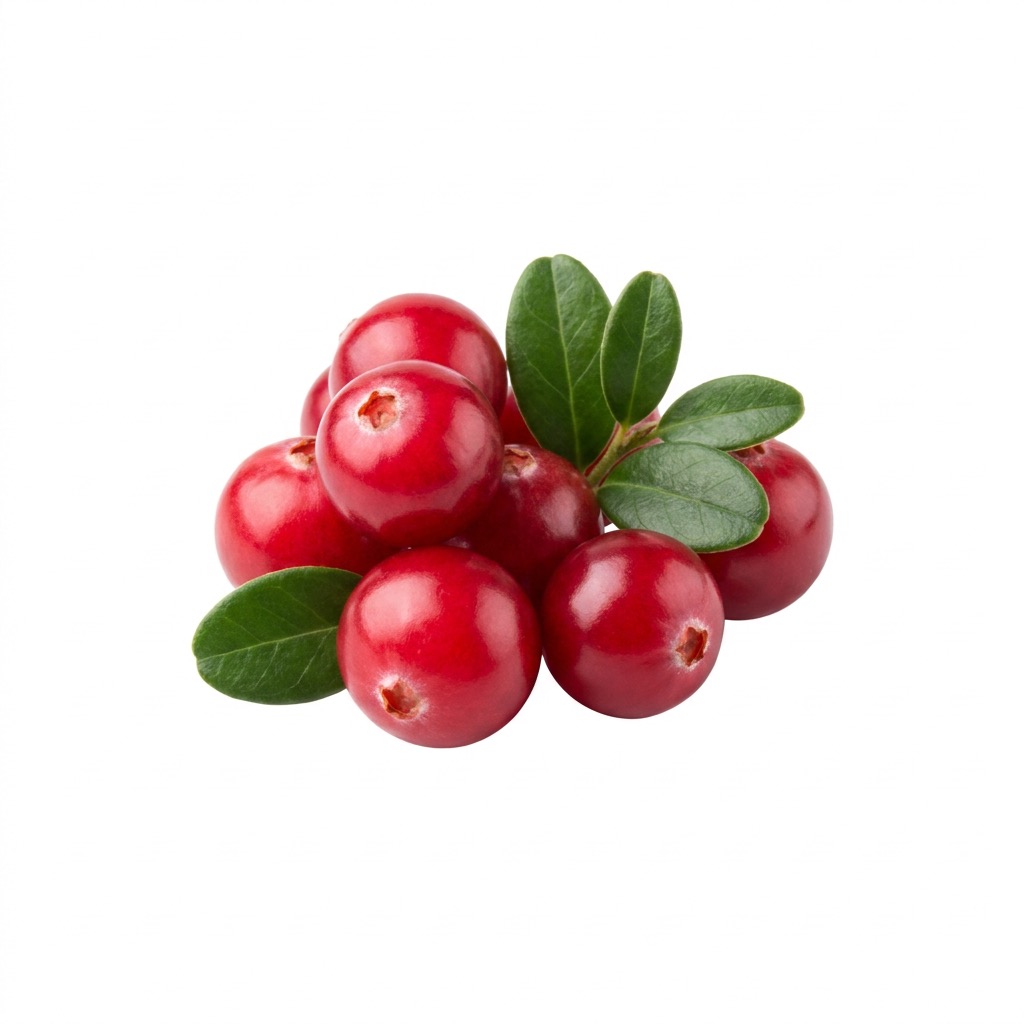
Cranberry · Vaccinium macrocarpon
Photo: (c) christine123, some rights reserved (CC BY) · CC BY · via iNaturalist
Fruits & Vegetables
Cranberry
Vaccinium macrocarpon
Unlike most other berries, fresh cranberries are naturally very low in sugar and high in acidity, which is why they taste so tart.
Benefits
Cranberry cuts the number of repeat infections in women who keep getting them, and in children. It works before one starts, not during one.
What It Is Known For
Every trial behind cranberry is about stopping the next one, and none is about clearing the one you are sitting with.
It did nothing for elderly people in care homes and nothing in pregnancy, and those trials were as large as the ones that worked.
Most of what is sold as cranberry juice is other juice and sugar, and the sugar is not doing your bladder any favors.
Key Active Compounds
The compounds cranberry is measured by.
The red pigments of the fruit.
One of the acids in the fruit.
How to Take It / Use It
One glass of unsweetened cranberry juice a day, or a handful of dried cranberries, taken every day rather than at the first twinge.
Cautions
Cranberry can increase the effect of blood-thinning medicine, so keep to food amounts.
Most cranberry juice on a shelf is mostly other juice and added sugar.
Where It Comes From
Cranberry is native to the bogs and wetlands of northern North America. Farming began in Massachusetts around two hundred years ago, and Wisconsin now grows about sixty percent of the American crop.
How We Choose It
We check every product so you don't have to. A cranberry only makes our list if:
- Whole dried cranberries with one ingredient. No added sugar — most brands sneak it in.
- If juice, it says 100% cranberry. "Cranberry cocktail" is mostly water and sugar.
- No cranberry sold as a treatment for an infection already underway. It does not do that.
If no product meets these standards, we don't list one. No exceptions for affiliates.
See our picks