sana › Herbs & Plants › Peppermint
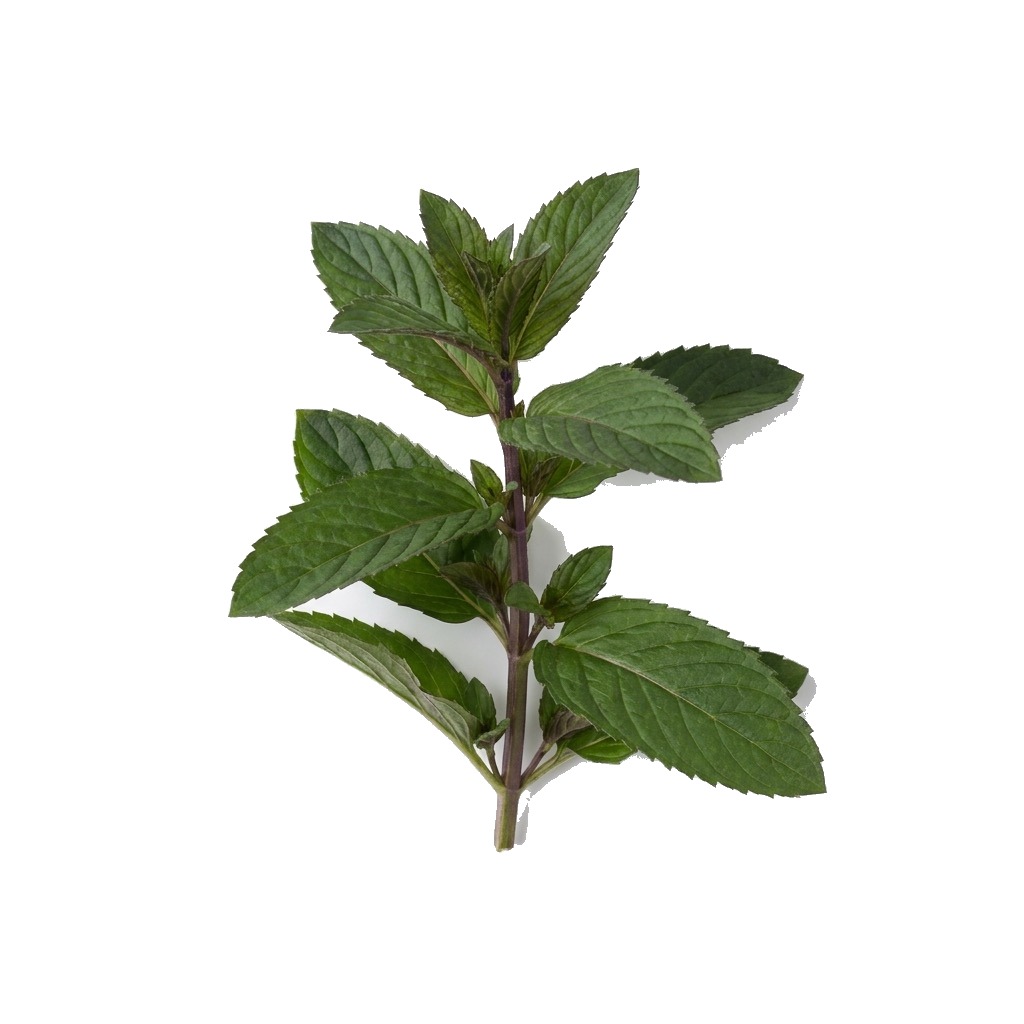
Peppermint · Mentha × piperita
Photo: (c) Alex Abair, some rights reserved (CC BY) · CC BY · via iNaturalist
Herbs & Plants
Peppermint
Mentha × piperita
Peppermint sets no seed. It is a cross between watermint and spearmint, and every peppermint plant alive is a cutting of a cutting.
Benefits
Eases the pain and urgency of a gut that keeps flaring up.
Takes the edge off pain and heaviness in the upper stomach, best studied together with caraway.
Peppermint oil in a plain ointment brings down stubborn itch.
Sniffing peppermint oil calms sickness, including after an operation.
Peppermint oil rubbed into the forehead and temples takes the tightness down.
What It Is Known For
It eases the cramping while you take it. It does not fix what causes it.
The sniff is bracing, but nothing measures a lasting effect.
Laboratory work only, and none of it in a person.
This one is about rosemary and peppermint oil in mice. There is no human trial.
Key Active Compounds
Most of the oil, and the part that cools.
The second compound in the oil.
Sits in the leaf rather than the oil.
Traditionally Used
A cup of leaf tea drunk warm.
Steam from a bowl of hot water with leaves in it.
How to Take It / Use It
Take an enteric-coated peppermint oil capsule before each meal. The coating matters, because plain oil opens too early and causes heartburn.
Mix a few drops of peppermint oil into a teaspoon of plain oil and rub it across the forehead and temples. Keep it away from the eyes.
Steep a handful of fresh leaves in hot water for 10 minutes and drink it.
Why It Works
Menthol tells the muscle in the gut wall to let go, so the cramping eases.
Menthol switches on the cold receptors in the skin, which damps the ache underneath.
Cautions
Peppermint relaxes the valve at the top of the stomach, so it can make reflux worse.
Never put peppermint oil on or near the face of a baby or a young child.
Where It Comes From
Peppermint is a cross between watermint and spearmint, first grown in England in the late seventeenth century. Because it sets no seed it spreads only by root. The United States now grows about three quarters of the world's supply, most of it in Washington State.
How We Choose It
We check every product so you don't have to. A peppermint product only makes our list if:
- Capsules must say enteric-coated. Without the coating the oil opens in the stomach instead of the gut, which brings heartburn and does nothing for cramping.
- Mentha piperita on the label. Cornmint is cheaper, higher in menthol, and sold simply as mint.
- Tea should be whole leaf and one ingredient. Most mint tea is a blend with the mint low on the list.
If no product meets these standards, we don't list one. No exceptions for affiliates.
See our picks
Sources6
- Peppermint oil in irritable bowel syndrome: meta-analysis of 12 randomized trials. BMC Complementary Medicine and Therapies, 2019. Meta-analysis
- Madisch A et al. Menthacarin, a peppermint oil and caraway oil combination, in functional gastrointestinal disorders. Digestive Diseases, 2023. Meta-analysis
- Elsaie LT et al. Topical peppermint oil for chronic itching. Clinical, Cosmetic and Investigational Dermatology, 2016. Trial
- Inhaled peppermint aromatherapy for nausea after oral surgery: randomized controlled trial. Trial
- Ashrafudoulla et al. Peppermint essential oil against biofilms on food-contact surfaces. Journal of Food Science, 2023. Lab study
- NCCIH. Peppermint oil, usefulness and safety. Fact sheet