sana › Herbs & Plants › Lavender
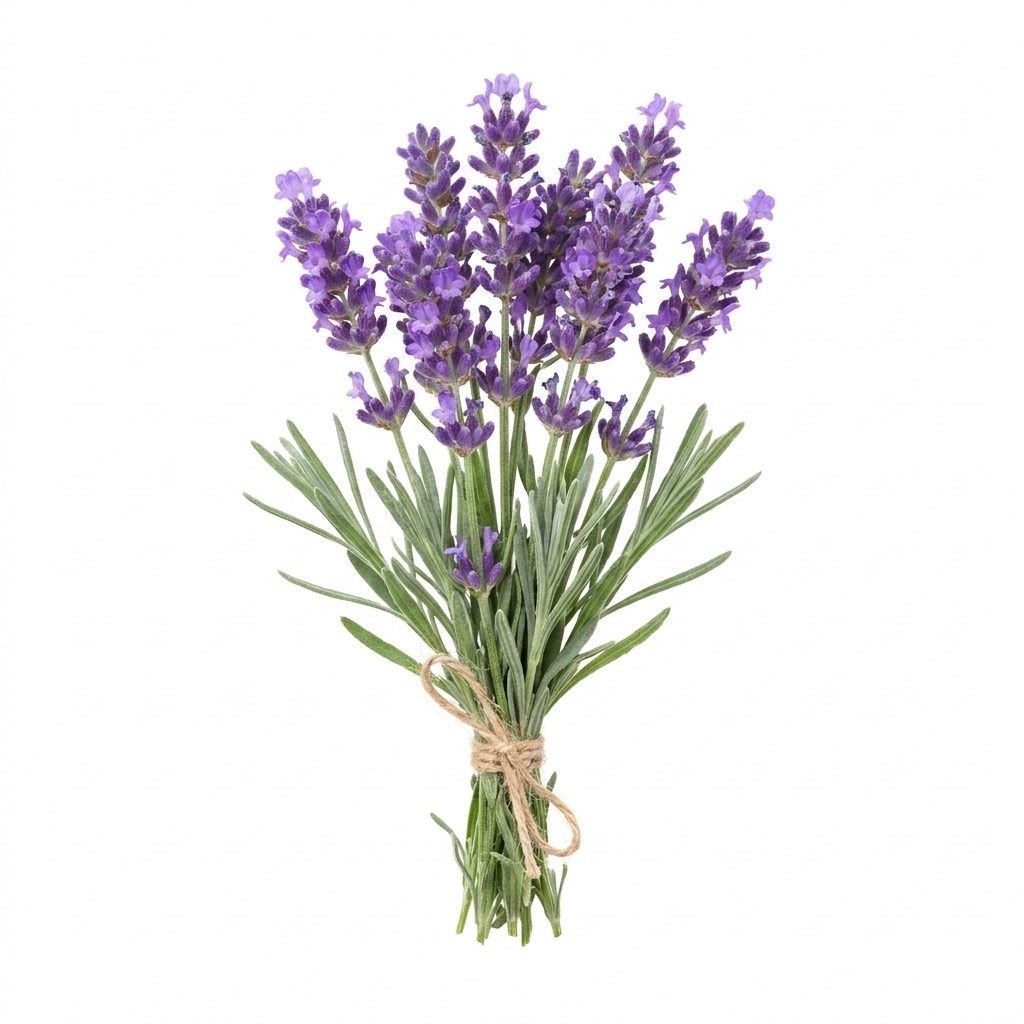
Lavender · Lavandula angustifolia
Photo: (c) Naturalista, some rights reserved (CC BY) · CC BY · via iNaturalist
Herbs & Plants
Lavender
Lavandula angustifolia
Lavender takes its name from the Latin lavare, to wash. The Romans put it in their baths, their laundry and their bandages, and the word for washing became the name of the plant.
Benefits
Lavender oil capsules calm everyday anxiety and the restlessness that comes with it.
Lavender breathed in at bedtime may settle the night, though it is the weaker of the scents tested.
What It Is Known For
The anxiety work was done on 80 mg of steam-distilled oil in a capsule, and a cup of buds is not that.
Nothing found tests it on skin in people, however often the bottle is sold for it.
Rubbing the temples is an old habit and a pleasant one, and nothing found puts a number on it.
Lavender adds to the drowsiness of sleeping tablets and alcohol, and oil left open more than a year is a common cause of rash.
Key Active Compounds
The compound that does the calming.
Works alongside linalool and softens it.
How to Take It / Use It
1 teaspoon of dried buds in a cup of just-boiled water, covered while it steeps for 10 minutes. Drink it an hour before bed. Or hang a handful of buds in a muslin bag under the hot tap and soak in the bath.
Put 2 or 3 drops of the oil on a tissue and tuck it beside the pillow. Not on the face.
Why It Works
Linalool and linalyl acetate get into the blood whether they are breathed in or swallowed, and both act on the nerve cells that fire when a person is anxious.
They slow those cells down in the same direction anxiety medicines work, far more gently and without the sedation.
Cautions
Lavender can make you drowsy and adds to the effect of sleeping tablets and alcohol.
Oil more than a year open turns into a common cause of skin rash, so replace it.
Where It Comes From
Lavender comes from the dry hills of the western Mediterranean, and its old Greek name came from the Stoichades islands off the south coast of France. Provence is still the center of the trade, with Bulgaria now the largest producer of the oil.
How We Choose It
We check every product so you don't have to. A lavender product only makes our list if:
- Lavandula angustifolia on the label. Lavandin and spike lavender are different plants, higher in camphor, and are sold simply as lavender.
- Dried buds should be whole and still strongly scented. Dust means the buds were crushed and have already lost most of their oil.
- Oil in amber glass with a dropper, in a small bottle. Linalool turns into a skin allergen as it ages, so buy small bottles you'll finish.
- Capsules should hold steam-distilled flower oil, nothing else. The same oil as the bottle, in capsule form.
If no product meets these standards, we don't list one. No exceptions for affiliates.
See our picks