sana › Bee Products › Raw Honey
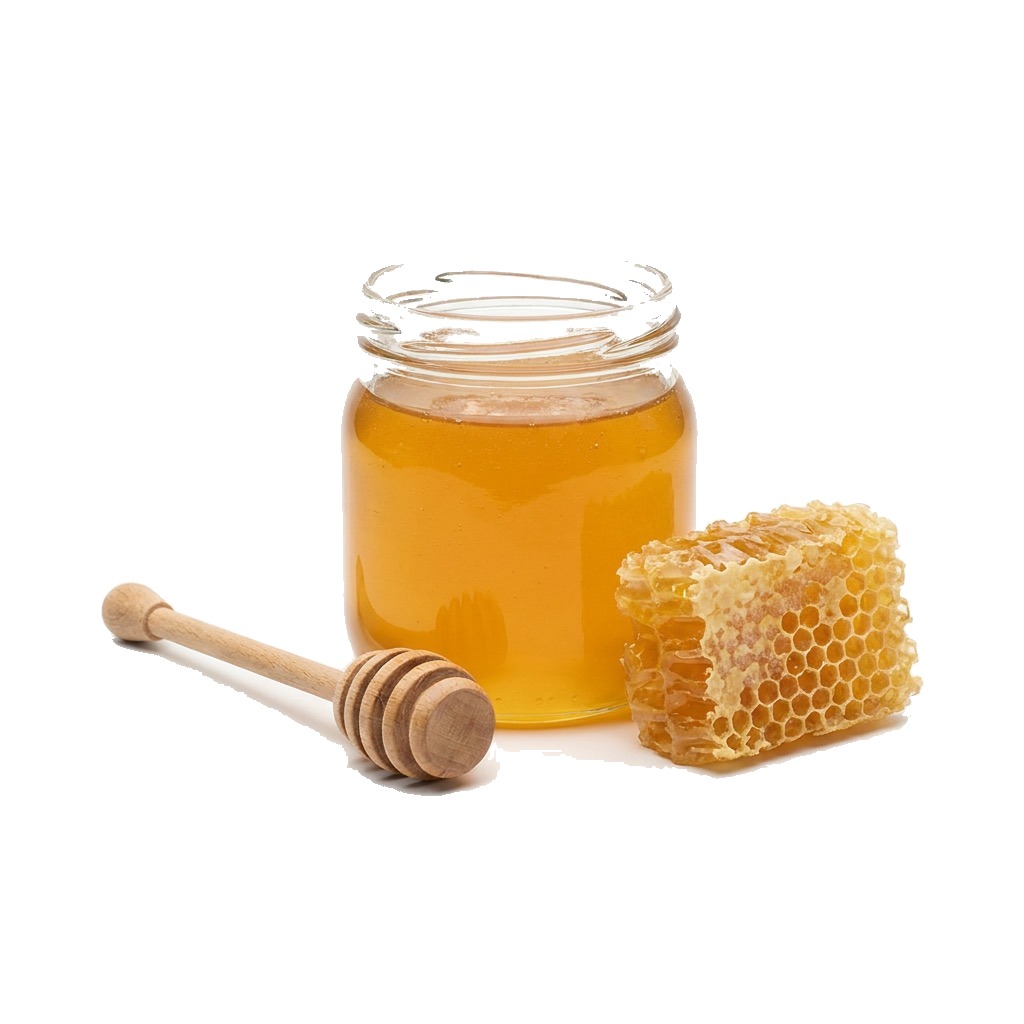
Raw Honey · Mel
Bee Products
Raw Honey
Mel
Honey is one of the only foods on earth that never spoils. Jars found in Egyptian tombs sealed for three thousand years were still liquid and still edible.
Benefits
Calms a night-time cough and the tickle behind it, in children over one and in adults.
Coats the throat and takes the rawness out of it.
Honey dressings close a partial-thickness burn faster.
Honey held in the mouth brings the soreness down and shortens it.
What It Is Known For
The pollen that causes hay fever is carried by wind, not by bees, so it is not the pollen in the jar.
Honey kills bacteria it touches, and that is a fact about a jar and a dish — nothing shows it once honey has been swallowed.
The dressings that close a burn faster are sterilized first, and the work on ordinary cuts and long-standing wounds is thin to the point of saying nothing.
Honey is sugar, and the good it does is on a cough, a burn and a sore mouth rather than in a diet.
Key Active Compounds
The bee enzyme that makes hydrogen peroxide inside the honey.
The antiseptic honey produces slowly and steadily as it sits.
Only present in raw honey, and lost when honey is heated.
Small amounts of plant compounds carried over from the flowers.
How to Take It / Use It
Eat 1 to 2 teaspoons on its own at bedtime, or stir it into warm water with lemon and drink it.
Cover the cleaned burn with a honey wound dressing rather than honey from a jar, and change it daily.
Why It Works
Honey is so concentrated that it pulls water out of any bacteria that land in it.
A bee enzyme in the honey releases hydrogen peroxide slowly, so a wound gets a steady low dose rather than one harsh one.
Honey is about as acidic as orange juice, which most bacteria cannot tolerate.
The same pull that dries out bacteria draws fluid out of the tissue, which lifts away dead material and lets new skin move in.
Cautions
Never give honey to a baby under one year old, because it can cause infant botulism.
Raw honey from a jar is not sterile and should not go on an open wound.
Where It Comes From
Honey is made anywhere bees are kept, and the flowers they visit decide its color and taste. China, Turkey and Argentina produce the most; the United States imports roughly seventy percent of what it uses.
How We Choose It
We check every product so you don't have to. A raw honey only makes our list if:
- Labeled raw, never heated. Heating keeps honey clear and runny but destroys the pollen and weakens the antiseptic.
- Cloudy, and sets hard over time. Real raw honey crystallizes — honey that stays clear and liquid has been heated and filtered, and lost its benefits along the way.
- Nothing added. Honey is one of the most adulterated foods sold, usually cut with rice or corn syrup.
If no product meets these standards, we don't list one. No exceptions for affiliates.
See our picks